
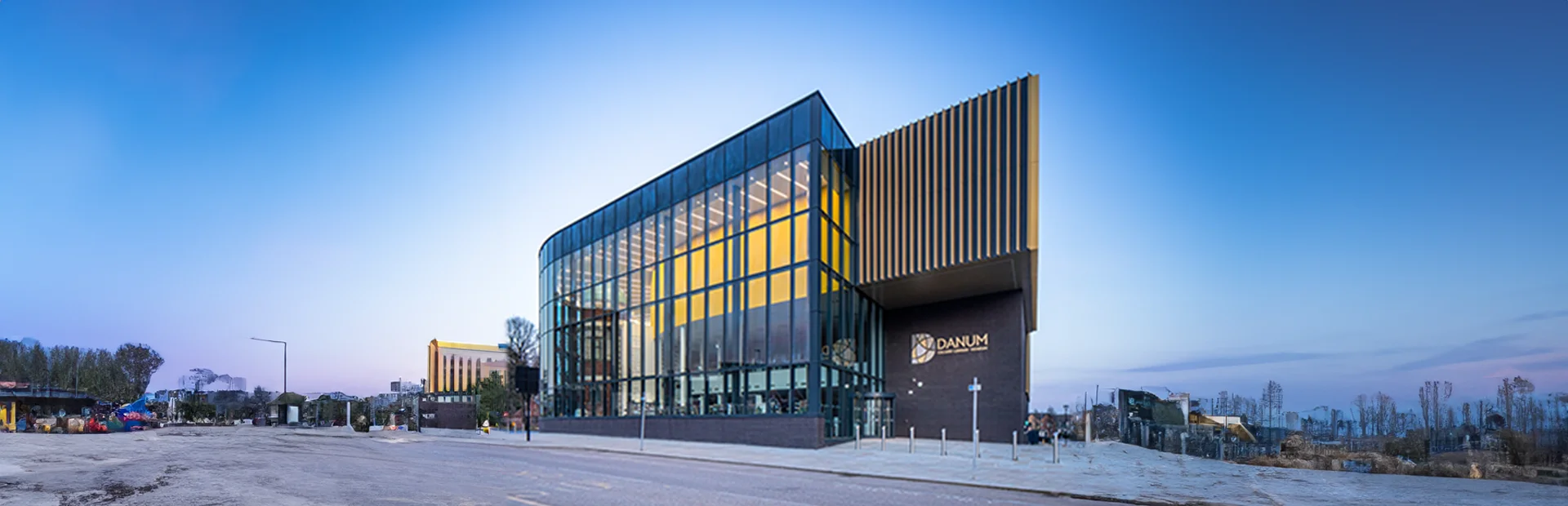
Architectural photography… some may say it’s a case of picking up your phone and taking a photo of a building, but is it more than that? I think so. Back in 2017, I had no clue about architectural photography—what makes it look good, how to plan, and so on. It’s not until I joined Harris Creative as a photographer and videographer that I learned from one of the best in the game: Jim Harris, a renowned architectural photographer, avid street photographer, and an all-around good man.
Now, this blog isn’t about him or my time at Harris, but it’s to showcase some of the architectural projects that I’ve shot over the years and provide some insights on how I go about shooting an architectural project, without giving away all my secrets (sorry, I still got bills to pay!).
When I get asked if I can photograph a certain project, the first thing I do is look on Google Maps, Street View to be precise. Has the project been built yet? Are there signs of construction? I look at this first to see whether the project merits photographing. After all, I could accept the job and get paid for it, but it’s not all about that. Sometimes you can’t polish a turd, and reputation in the video and photography world is much more valuable than one job.
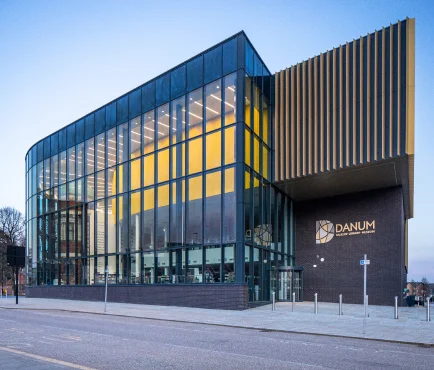
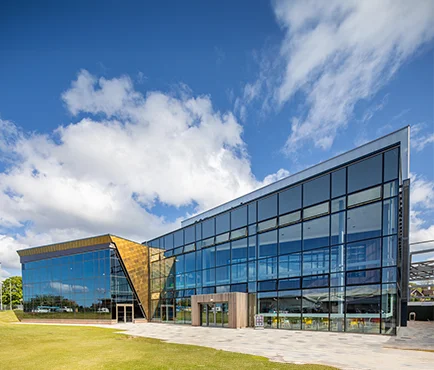
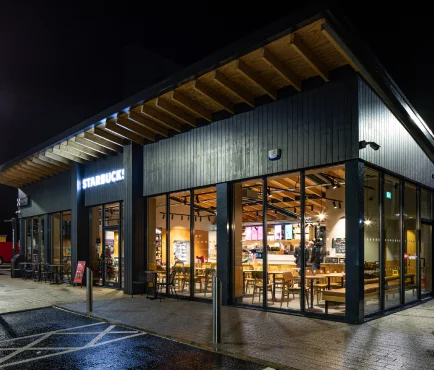
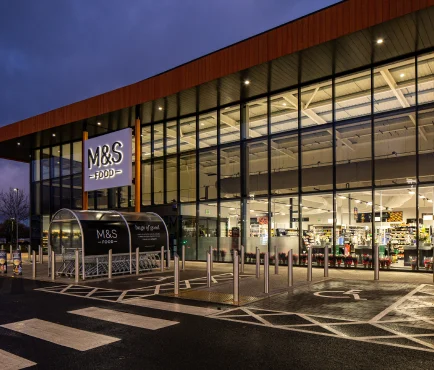
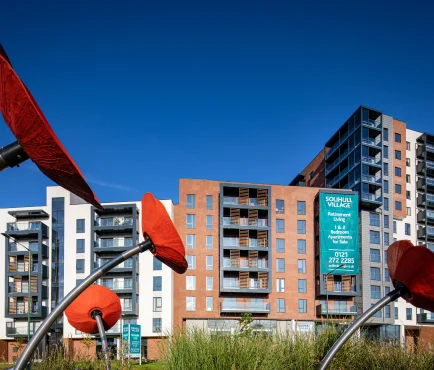
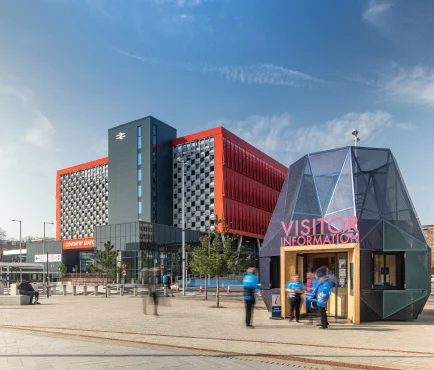
The second thing I do is look for information online about the project, the architect, and the contractor. I’m doing this to look for access information as sometimes you don’t always get this. Okay, it has been known for me to just rock up to a building and blag my way past security, but it doesn’t always work. Imagine going all the way to London just for them to tell you to f off… Luckily for me, that’s not happened, but it can.
Planning is a big part of architectural photography… you can plan all you want, but the weather in the UK may have other plans for you. Sunny day tomorrow? Absolute bollocks sometimes. The number of times I’ve gone to jobs when the Met Office and BBC have told me it’s going to be a sunny day, only to turn up and find it’s cloudy. That’s when you have to get creative. Can you do this with a phone? Sure. But do they have the glass to pull off zooms, long exposures, tilt-shift, and so on? No.
Architectural photography requires a keen eye, thorough planning, and the right equipment to truly capture the essence of a building. It’s about understanding the structure, the light, the environment, and how they all interact. Every project is a new challenge, and that’s what makes this field so exciting. Whether it’s a modern skyscraper or a historic landmark, each building tells a story, and it’s my job to tell that story through my lens. So, the next time you see a stunning photo of a building, remember—there’s a lot more behind that shot than just a click of a button.